Anomaly and defect detection
Crack and tear detection
The inspection point
When deep drawing approaches the limit of the material, thinning comes first and the crack follows. Cracks usually start at an edge or a draw radius and are as fine as a hair; an operator sees them only when the part is turned in the hand. Because they are rare, you can never collect enough examples of them in advance.
How it runs on the line
The model trains on good parts only, so it needs no defect examples: it flags whatever departs from the norm, which is what catches crack shapes nobody has seen yet. The lighting is angled to drop a shadow into the crack. Rejected parts leave the line and their image is kept.
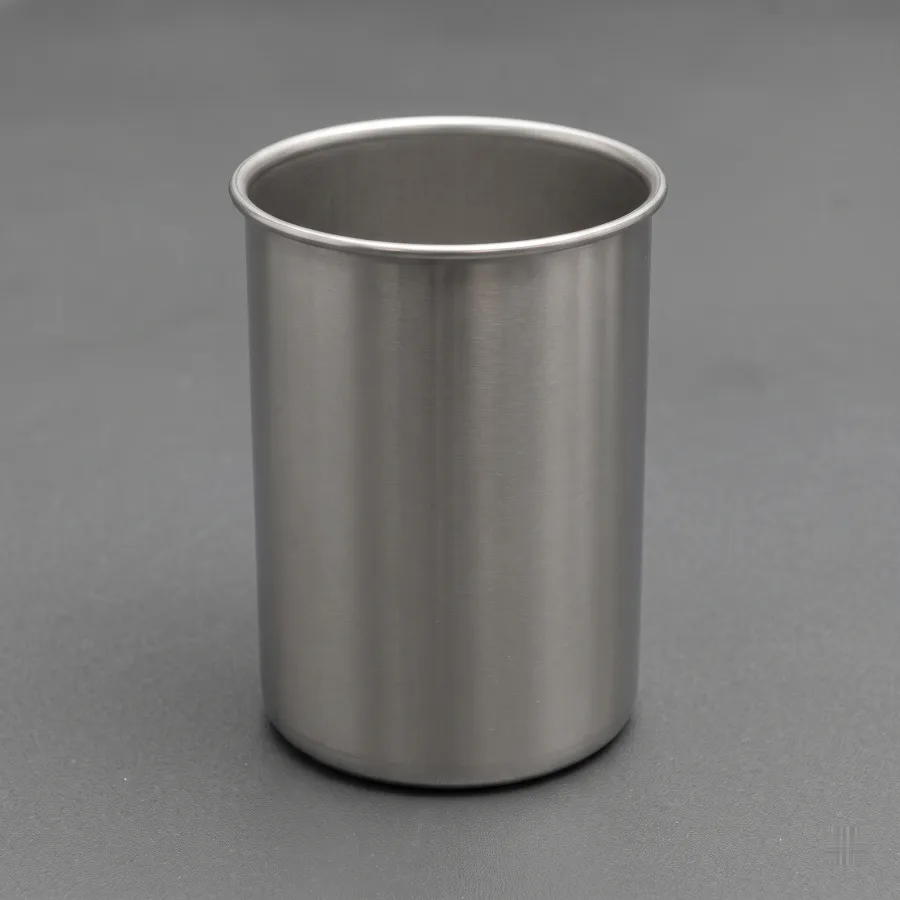 OK
OKProperly formed drawn cup 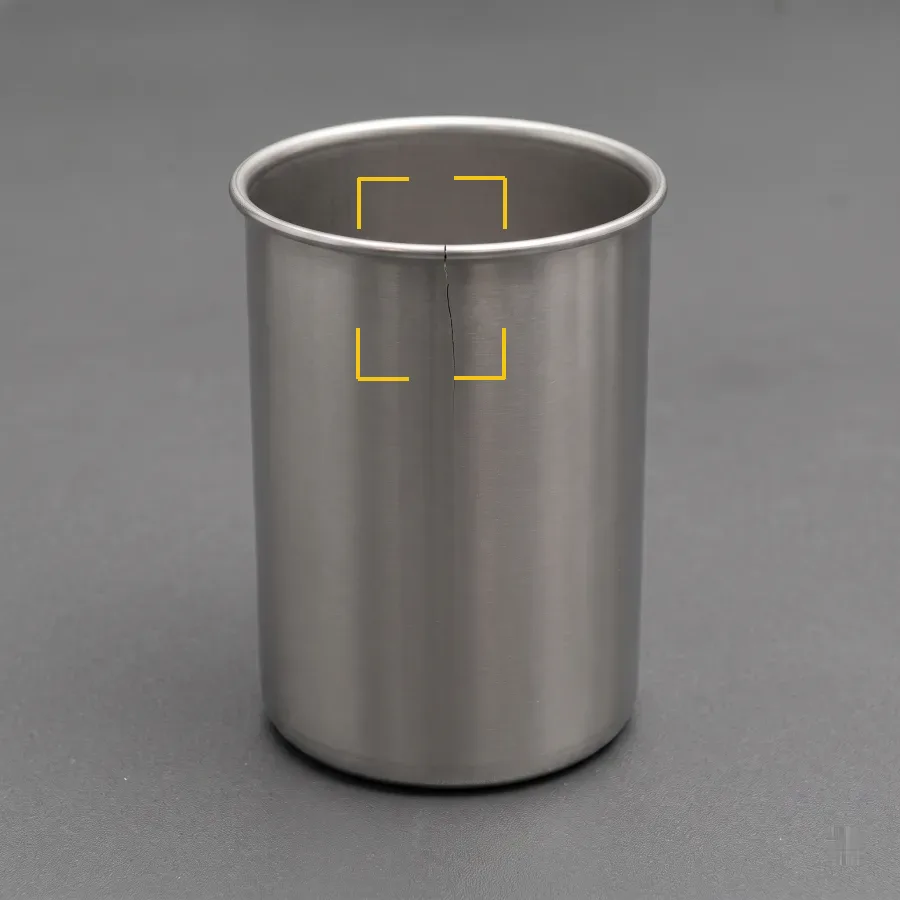 NOK
NOKCrack extending from the rim
Application references
- Mode used
- Anomaly and defect detection
- Training set
- About 20 good parts
- Where it is strong
- Rare and unseen defects
- Decision time
- ~30 ms per part
Let us test your part.
We bring the unit to your line and test your own parts at your own line speed. We build the quote around what the test shows.