Anomaly and defect detection
Surface scratch and dent detection
The inspection point
A scratch or a dent rarely stops the part working; it damages the customer's perception of quality, and one mark on a visible face can bring a whole shipment back. The difficulty is that brushed or glossy surfaces throw the light around, so a real defect blends into the natural variation of the finish. Each defect appears in a different place, at a different depth, every time, which is exactly what a fixed rule cannot describe.
How it runs on the line
The lighting is set to suppress reflection; on this job the light geometry decides more than the camera does. Anomaly and defect detection trains on good parts only and flags anything that departs from the surface it learned. The decision goes to the PLC as pass/fail, and the flagged region can be shown on the operator screen.
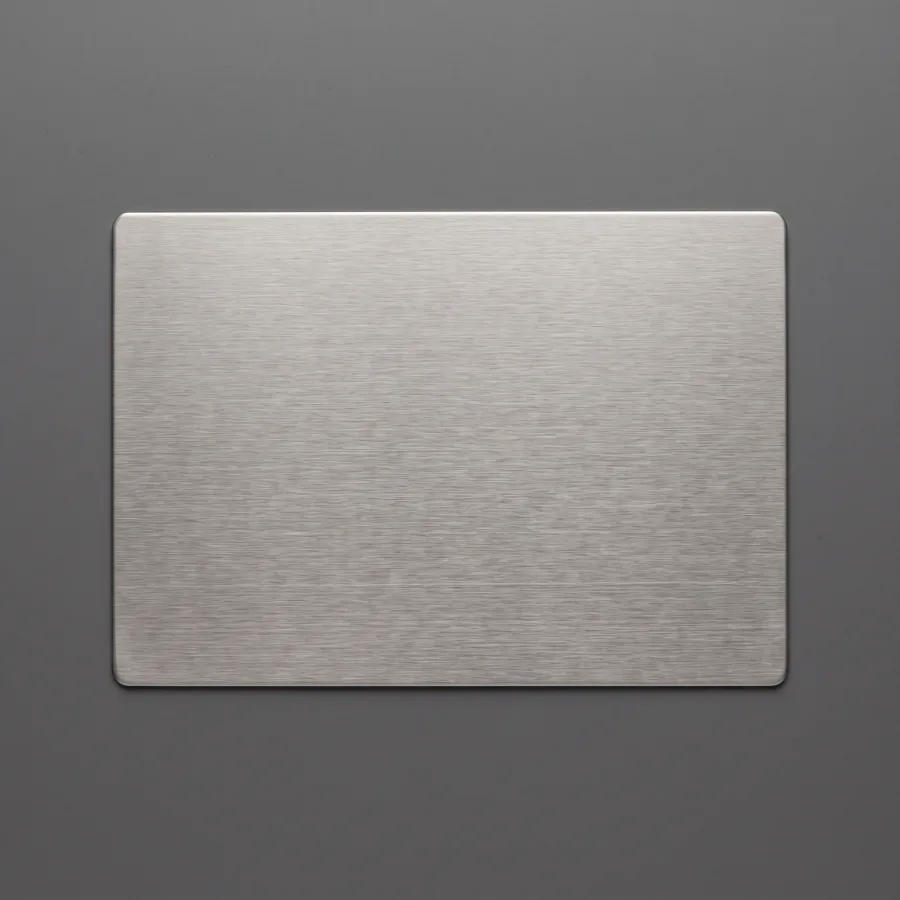 OK
OKGood surface 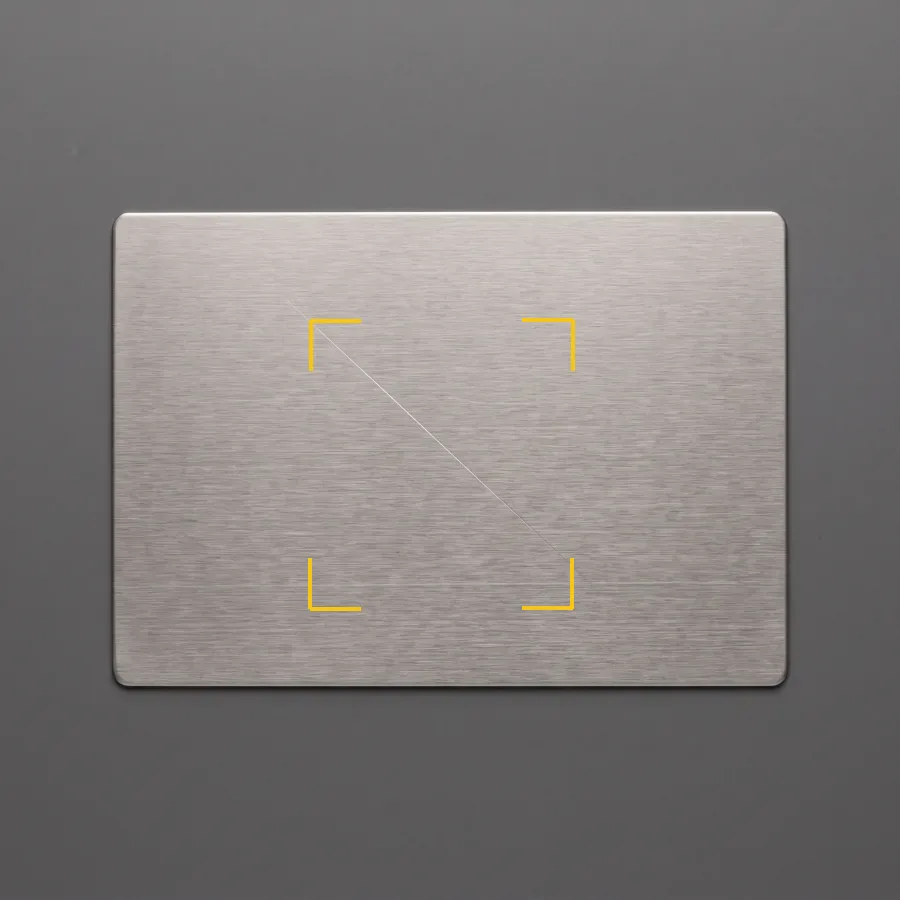 NOK
NOKScratch across the grain
Application references
- Mode used
- Anomaly and defect detection
- Training set
- About 20 good parts
- Decision time
- ~30 ms per part
- What decides it
- Lighting geometry
Let us test your part.
We bring the unit to your line and test your own parts at your own line speed. We build the quote around what the test shows.