Anomaly and defect detection
Burr and cut defect detection
The inspection point
As the die wears, the cut edge deteriorates with it: first a fine burr, then irregular break-out. A burred part jams in assembly, cuts an operator's hand and blisters under paint. The defect lives in a few millimetres along the edge, and since the part never sits in exactly the same place, a fixed inspection window is not enough.
How it runs on the line
The unit is set up to light the cut edge from the side, so a burr casts a shadow and stands out. The model learns how good edges look and rejects the part when it deviates. The same signal doubles as early warning for die maintenance, because the burr rate climbs with wear.
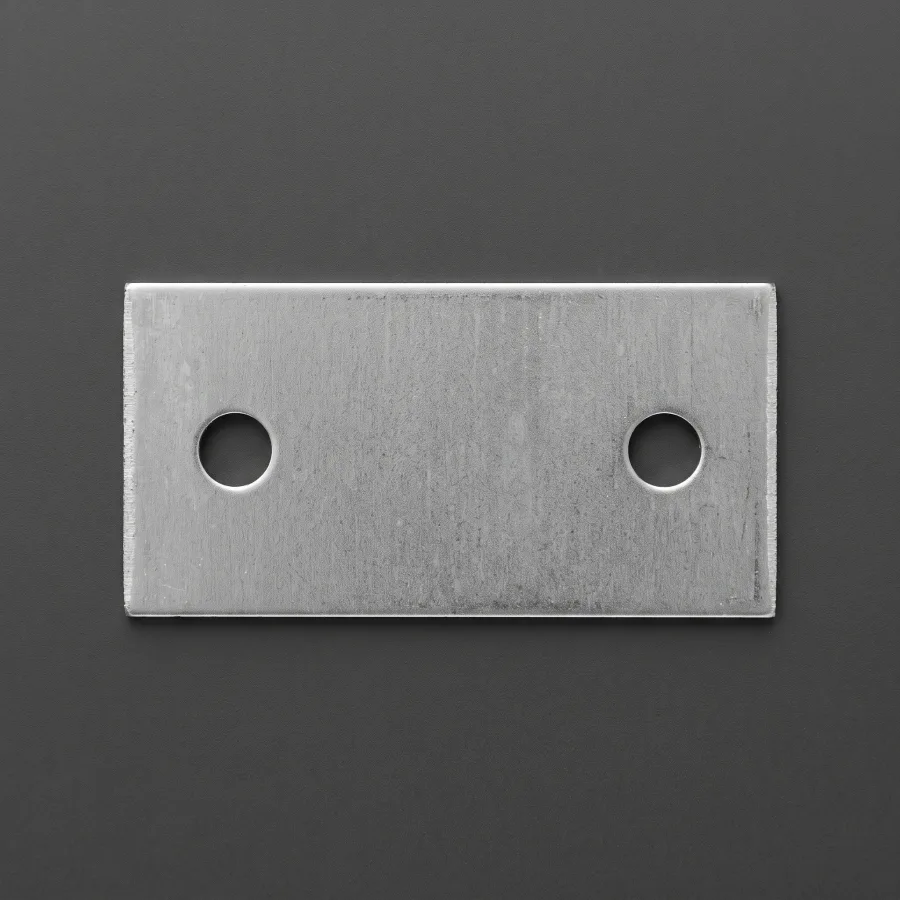 OK
OKClean cut edge 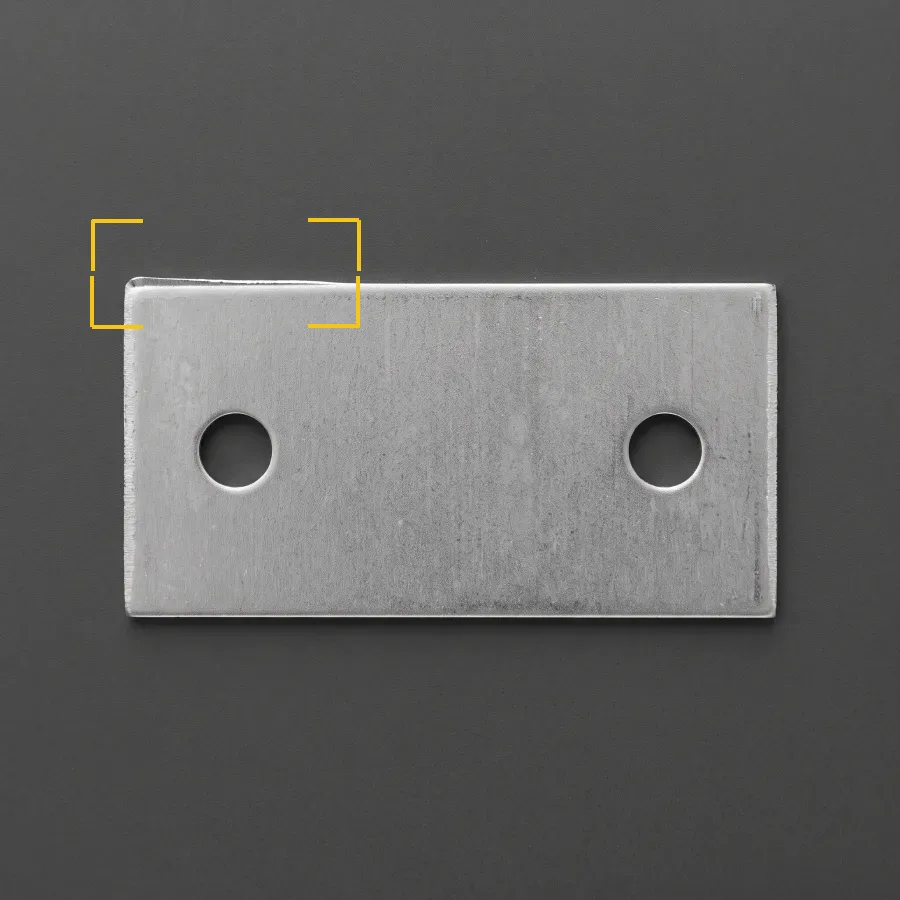 NOK
NOKFine burr on the cut edge
Application references
- Mode used
- Anomaly and defect detection
- Training set
- About 20 good parts
- Decision time
- ~30 ms per part
- What decides it
- Light grazing the cut edge
Let us test your part.
We bring the unit to your line and test your own parts at your own line speed. We build the quote around what the test shows.